
- Vocational and technical education
-
Online registration
- Engine-Room Resource Management (Management Level)
- Passenger Ship Crisis Management and Human Behaviour Training
- PASSENGER SHIP CROWD MANAGEMENT TRAINING
- Crude Oil Washing
- Passenger Safety, Cargo Safety and Hull Integrity Training
- Automatic Identification Systems (AIS)
- Ship security officer (ISM)
- Basic H₂S training course
- підг. ГМЗЛБ отрим. ОБМЕЖЕННОГО
- Inert Gas System
- Leadership and teamwork
- Ship Security Officer
- Designated Security Duties for Shipboard Personnel
- Security-Related Training and Instruction for All Seafarers
- Advanced Training for Masters and Chief Mates of Ships Operating in Polar Waters
- Radar Navigation at Management Level (Radar, ARPA, Bridge Teamwork and Search and Rescue)
- Bridge Recourse Management
- Radar Navigation, Radar Plotting and Use of ARPA (Operational Level)
- The Operational Use of Electronic Chart Display and Information Systems (ECDIS)
- Tanker Cargo and ballast handling
- High voltage electrical equipment
- Proficiency in Fast Rescue Boats
- Basic Training for Masters, Chief Mates and Officers in Charge of a Navigational Watch of Ships Operating in Polar Waters
- Engine-room Resource Management (Operational Level)
- Proficiency in Survival Craft and Rescue Boats other than Fast Rescue Boats
- Training of Passenger Ships Personnel
- Training of Officers and Rating Responsible for Cargo Handling on Ships Carrying Dangerous and Hazardous Substances in Solid Form in Bulk and in Packaged Form
- Medical Care on Board Ship
- Medical First Aid on Board Ship
- Advanced Fire Fighting
- Bunkering Operations and Management
- Risk Assessment and Accident Investigation
- Enclosed Space Entry Including Breathing Apparatus
- Navigator of a pleasure motor vessel with the length less than 24 m on coastal waters and inland waters
- Navigator of a water bike on coastal waters and inland waters
- Navigator of a pleasure sailing vessel with the length from 8,5 m to 24 m and a sail area of more than 30 m² on coastal waters, inland waters and in the open sea
- Navigator of a pleasure sailing vessel, with the length less than 8,5 m and sail area less than 30 m² on coastal waters and inland waters
- Marlins Test
-
Yachts and motorboats
- Navigator of a water bike on coastal waters and inland waters
- Navigator of a pleasure motor vessel with the length less than 24 m on coastal waters and inland waters
- Navigator of a pleasure sailing vessel with the length from 8,5 m to 24 m and a sail area of more than 30 m² on coastal waters, inland waters and in the open sea
- Navigator of a pleasure sailing vessel, with the length less than 8,5 m and sail area less than 30 m² on coastal waters and inland waters
- Mechanic courses
- Courses for navigators
- Specialized vessels
-
General STCW courses
- Ship Security Officer
- Designated Security Duties for Shipboard Personnel
- Security-Related Training and Instruction for All Seafarers
- Bridge Recourse Management
- Proficiency in Fast Rescue Boats
- Proficiency in Survival Craft and Rescue Boats other than Fast Rescue Boats
- Training of Officers and Rating Responsible for Cargo Handling on Ships Carrying Dangerous and Hazardous Substances in Solid Form in Bulk and in Packaged Form
- Medical First Aid on Board Ship
- Medical Care on Board Ship
- Advanced Fire Fighting
- Specialized courses
Menu
- Vocational and technical education
-
Online registration
- Engine-Room Resource Management (Management Level)
- Passenger Ship Crisis Management and Human Behaviour Training
- PASSENGER SHIP CROWD MANAGEMENT TRAINING
- Crude Oil Washing
- Passenger Safety, Cargo Safety and Hull Integrity Training
- Automatic Identification Systems (AIS)
- Ship security officer (ISM)
- Basic H₂S training course
- підг. ГМЗЛБ отрим. ОБМЕЖЕННОГО
- Inert Gas System
- Leadership and teamwork
- Ship Security Officer
- Designated Security Duties for Shipboard Personnel
- Security-Related Training and Instruction for All Seafarers
- Advanced Training for Masters and Chief Mates of Ships Operating in Polar Waters
- Radar Navigation at Management Level (Radar, ARPA, Bridge Teamwork and Search and Rescue)
- Bridge Recourse Management
- Radar Navigation, Radar Plotting and Use of ARPA (Operational Level)
- The Operational Use of Electronic Chart Display and Information Systems (ECDIS)
- Tanker Cargo and ballast handling
- High voltage electrical equipment
- Proficiency in Fast Rescue Boats
- Basic Training for Masters, Chief Mates and Officers in Charge of a Navigational Watch of Ships Operating in Polar Waters
- Engine-room Resource Management (Operational Level)
- Proficiency in Survival Craft and Rescue Boats other than Fast Rescue Boats
- Training of Passenger Ships Personnel
- Training of Officers and Rating Responsible for Cargo Handling on Ships Carrying Dangerous and Hazardous Substances in Solid Form in Bulk and in Packaged Form
- Medical Care on Board Ship
- Medical First Aid on Board Ship
- Advanced Fire Fighting
- Bunkering Operations and Management
- Risk Assessment and Accident Investigation
- Enclosed Space Entry Including Breathing Apparatus
- Navigator of a pleasure motor vessel with the length less than 24 m on coastal waters and inland waters
- Navigator of a water bike on coastal waters and inland waters
- Navigator of a pleasure sailing vessel with the length from 8,5 m to 24 m and a sail area of more than 30 m² on coastal waters, inland waters and in the open sea
- Navigator of a pleasure sailing vessel, with the length less than 8,5 m and sail area less than 30 m² on coastal waters and inland waters
- Marlins Test
-
Yachts and motorboats
- Navigator of a water bike on coastal waters and inland waters
- Navigator of a pleasure motor vessel with the length less than 24 m on coastal waters and inland waters
- Navigator of a pleasure sailing vessel with the length from 8,5 m to 24 m and a sail area of more than 30 m² on coastal waters, inland waters and in the open sea
- Navigator of a pleasure sailing vessel, with the length less than 8,5 m and sail area less than 30 m² on coastal waters and inland waters
- Mechanic courses
- Courses for navigators
- Specialized vessels
-
General STCW courses
- Ship Security Officer
- Designated Security Duties for Shipboard Personnel
- Security-Related Training and Instruction for All Seafarers
- Bridge Recourse Management
- Proficiency in Fast Rescue Boats
- Proficiency in Survival Craft and Rescue Boats other than Fast Rescue Boats
- Training of Officers and Rating Responsible for Cargo Handling on Ships Carrying Dangerous and Hazardous Substances in Solid Form in Bulk and in Packaged Form
- Medical First Aid on Board Ship
- Medical Care on Board Ship
- Advanced Fire Fighting
- Specialized courses
Vocational and technical education
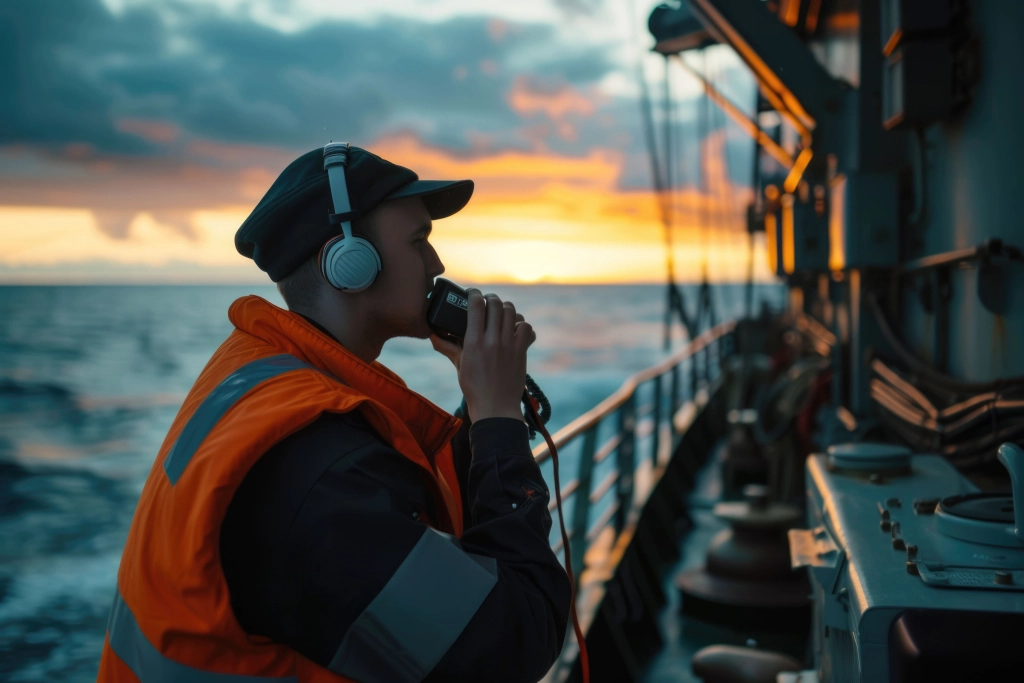
Vocational and technical education
Sailor of the first class
Entrance requirements:
Professional (vocational) education in the profession of “seaman”, qualification of a second-class seaman, work experience as part of the deck crew, at least 12 months
Duration of training:
12 weeks
Qualification requirements:
Must know:
-Commands and rules of communication with the watchkeeping assistant to the captain regarding the duties related to watchkeeping;
-the procedure for leaving the watch, keeping and transferring the watch, information necessary for keeping a safe watch;
-Procedures and procedures related to the protection of the ship and cargo, especially in the area of pirate activity;
-mooring and related procedures, including: the function of mooring and towing ends and the function of each end in relation to the overall system, the working load and breaking force of mooring equipment, including metal, synthetic and fibrous mooring ropes, winches, windlasses, spires, bittens, brake pads and bollards
-Procedures and procedures for securing and releasing mooring and towing ends and ropes, including towing cables;
-procedures for the use of anchors during all operations;
-procedure for manufacturing and installation of cranes, storm gates, patches;
-Procedure for mooring to a barrel or barrels;
-Procedures for handling, placing and securing cargo, including dangerous and harmful substances and liquids;
-cargoes and identification labels of the International Maritime Dangerous Goods Code, as well as measures for specific types of cargoes;
-Deck equipment, including: the function and use of valves and pumps, hoists, cranes, cargo booms and related equipment
-Functions and use of winches, windlasses, stays and related equipment;
-hatches, watertight doors, portholes and related equipment;
-The construction, use, marking, maintenance and placement of fiber and steel cables, ropes and chains;
-application and understanding of basic signals (ability to use and understand) basic signals in the operation of equipment: winches, windlasses, cranes and lifting devices
-operation of anchoring equipment in various conditions: anchoring, hoisting, anchoring in a marching way, and in case of an accident;
-The basics of the ship's power plant structure and operation;
-Signaling system when working in poorly ventilated rooms and tanks;
-location of ballast tanks and drinking water tanks, their air-measuring pipes and cargo space measuring pipes
-procedures for the use of and be able to equip and dismantle the bosun's gazebo, suspension, pilot ladder, hoist, rat shield and regular ladder, use maritime practice skills in rope making with the use of knots, joints and stops;
-Procedures for the use of lifting machinery and equipment, cranes and derricks and winches;
-Loading devices: hatches and hatch closures, ramps, side (bow) stern doors or lifts;
-Piping systems, in particular, ballast system bilge pump intake pipes and wells;
rules for hoisting and lowering flags and basic single-flag signals (A, B, G, H, O, P, Q);
-rules for personal safety on board and safe performance of shipboard operations, in particular, work at height, work overboard, work in confined spaces;
-systems for issuing work permits;
-handling of ropes; lifting methods and methods of preventing back injuries,
-electrical safety rules;
-Safety rules for working with machinery;
-chemical and biological safety rules;
-personal protective equipment;
-Precautionary measures to prevent pollution of the marine environment;
-use and operation of pollution control equipment;
-use and operation of the emergency diesel generator, emergency fire pump and lifeboat engine;
-Approved methods of removing marine pollutants;
-rules for the operation of lifeboats and rafts and rescue boats, their launching devices and equipment;
-ways of survival at sea;
-ship's watchkeeping schedule, rest and work hours;
-rules for the use of paint, lubricants, cleaning materials and equipment
-procedures for routine maintenance and repair;
-methods of preparing ship surfaces for painting;
-location of equipment, storage and disposal facilities, methods of safe waste disposal;
-rules of application, maintenance and use of hand, electric and pneumatic tools;
-the procedure for using equipment manufacturer's safety manuals and ship's instructions;
-English to the extent necessary to understand commands and communicate
with other crew members on matters relating to the performance of duties.
Must be able to:
Keep a navigational watch while the vessel is underway and at gangway in accordance with the ship's schedule.
Take practical part in:
-Ship operations;
-Hull maintenance (including work at height, (and) overboard and in enclosed spaces)
-Preparation of cargo facilities and premises for cargo operations;
-handling of cargo and stocks;
-Mooring operations; anchoring operations;
-opening and closing cargo holds with mechanized hatch closures;
-Arrangement of loading devices;
-Inspection and repair of rigging;
-Safe operation of deck equipment and machinery;
-measuring the water level in tanks, lills, and tanks;
-control of the main clinker drives on decks;
-maintenance of the vessel's running, parking and signal lights;
inspection of fire-fighting, emergency and rescue equipment;
-breaking lot lines and measuring the depth with a manual lot;
-maintenance and repairs on the ship;
Rigging, sailing, painting and other shipboard operations with the use of small-scale mechanization;
-ensuring cleanliness and order in the navigator's and wheelhouse;
-proper maintenance and storage of signal flags and signs, hand lots and hand fog horn;
-Ensuring security of the vessel and cargo;
-applying precautionary measures and preventing pollution of the marine environment.
Operate duty and work boats, lifeboats and rafts.
Manage the lowering and raising of lifeboats, rescue boats, workboats, and life rafts, launching lifeboats, operate lifeboats by oars, sail, motorized, manually powered and motorized, and be able to operate rescue equipment in sea waves.
Communicate with light signals and signal flags.
Comply with the rules of labor protection, fire protection, personal hygiene and environmental protection, rules of conduct on board and work discipline.
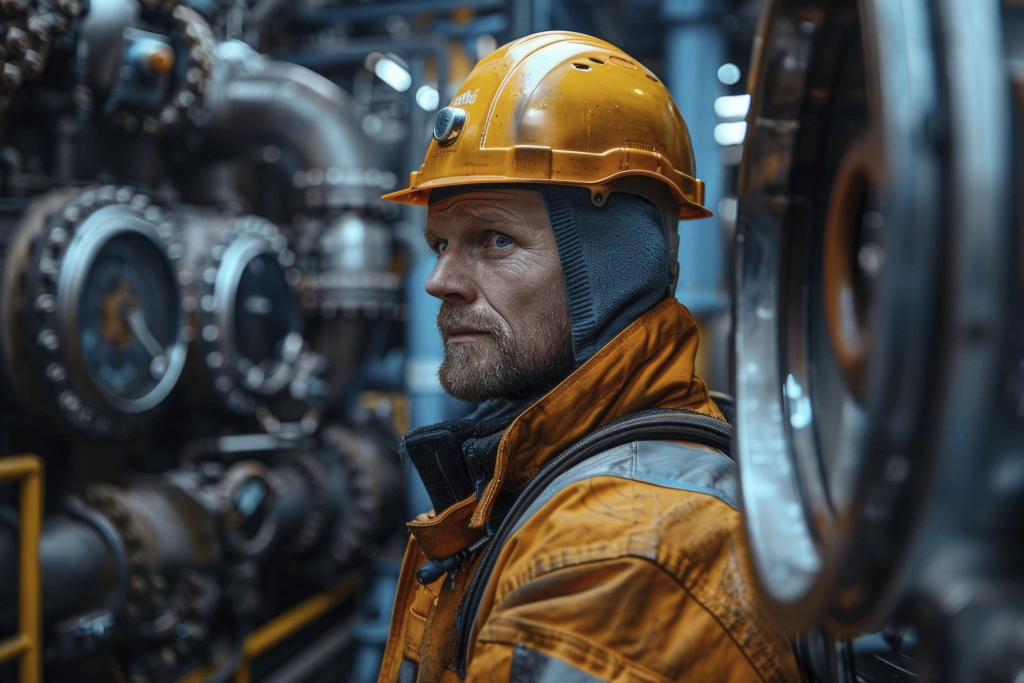
Vocational and technical education
Second class engine driver
Entrance requirements:
Basic or complete secondary education
Duration of study:
29 weeks
Qualification requirements:
Must know:
-basics of ship structure;
-Purpose, structure and peculiarities of operation of main power plants and ship's auxiliary mechanisms, auxiliary boilers;
-Purpose, structure and operation of various power transmissions from main engines to propeller shafts;
-The procedure for using control and measuring instruments of ship power plants;
-Purpose and construction of shaft lines and ship propulsion systems;
-basics of physical processes in marine internal combustion engines;
-terminology used in engine rooms and names of machinery and equipment;
-The procedure for keeping watch in the engine room;
-rules and regulations on labor protection, fire protection, and environmental protection when working in the engine room;
-emergency procedures and evacuation routes from the engine room;
-Basics of electrical engineering and electrical equipment of ships;
-Purpose, structure and procedure for the use of the ship's intra-ship communication system, in particular ship's communication between the engine room and the bridge;
-Emergency alarm systems and the ability to distinguish between signals, especially when signaling the activation of the gas fire extinguishing system;
location of fire-fighting equipment in the engine rooms and the ability to use it;
-Operating instructions, rules of maintenance and repair of ship's technical facilities;
-procedure for safe operation of boilers;
-Basics of first aid to the victim;
-Basic actions related to environmental protection;
-English language to the extent necessary to understand commands and communicate with other crew members within the scope of their duties.
Must be able to:
participate in:
-Duty in the engine room according to the ship's schedule;
-Maintenance and repair of ship's technical equipment;
-maintenance of machinery in accordance with the ship's schedule;
-Ensuring continuous operation of machinery in the specified modes and taking measures to eliminate deficiencies in their operation;
-ensuring safe operation of boilers;
-maintaining cleanliness and order in the engine room.
Duties.
-main power plant, ship's auxiliary machinery and boilers that ensure their operation.
To use
-take measures in case of a threat of an accident, ingress of water, fire or other danger to the life of people in the engine room.
To use
-Use emergency equipment in case of emergency and take measures to eliminate the consequences of such a situation.
Comply with:
-Rules and regulations on occupational safety, fire protection, personal hygiene and environmental protection, rules of conduct on board and workplace discipline.
Vocational and technical education
Seaman of the second class
Entrance requirements:
Basic or complete secondary education
Duration of study:
22 weeks
Qualification requirements:
Must know:
basics of ship structure and its hull, purpose and location of ship's compartments, rooms and systems;
the structure of cargo and mooring mechanisms and the rules for working on them;
the principle of construction and rules of use of mechanized hatch closures;
terms and definitions used on board the ship;
rules of use of the relevant ship's internal communication and emergency alarm systems;
the basics of the ship's wheelhouse and its use;
principle of operation and rules of use of magnetic and gyro compasses;
commands to be given at the helm, including in English;
procedure for switching from automatic to manual rudder control and vice versa;
duties related to observation, in particular, reporting the approximate direction of a sound signal, fire or any object in degrees or quarters;
commands and rules for communicating with the officer of the watch regarding the duties of the watch;
procedures for leaving the watch, taking, receiving and passing the watch;
information necessary for keeping a safe watch;
measures and methods of behavior in case of threat of pirate attack;
location of fire-fighting equipment, property and inventory on board the ship;
responsibilities in an emergency situation and emergency alarms;
international distress signals, including pyrotechnic signals;
satellite emergency radio buoys and search and rescue transponders;
basics of raising and lowering flags;
conditions for avoiding false distress signals and actions to be taken in case of accidental distress signaling;
rules of use of ship's life-saving appliances, in particular, those with manual mechanical drive;
basics of use of lifeboats, rafts and rescue boats, launching devices and their equipment;
basics of structure and rules of use of small-scale mechanization during rigging, sailing, painting and other shipboard operations;
types of cables, ropes and chains, their use, marking, maintenance and proper placement;
rules for using paint, lubricants, cleaning materials and equipment;
basics of first aid to the victim;
basic actions related to environmental protection;
English sufficient to understand commands and communicate with other crew members within the scope of their duties.
Must be able to:
hold watch while the vessel is underway on the bridge and gangway watch in accordance with the ship's schedule under the direct supervision of the master, the watchkeeping assistant to the master or a qualified officer;
ensure order and cleanliness in the hold areas;
report to the watch assistant captain on any violations or damages detected and on the termination of cargo operations;
control the separation of cargo and, if necessary, keep records of cargo;
use emergency equipment installed on the vessel according to the alarm schedule.
Participate in:
manage the stern, maintain adequate visual and auditory surveillance, and control the safe watch;
cleaning of decks and ship's premises;
ship's works;
work on hull maintenance;
preparing cargo spaces, cargo vehicles and equipment for loading, unloading and cleaning them in a marching manner;
opening and closing of hold hatches;
mooring operations in accordance with the ship's schedule;
performing cargo operations.
Monitor (as directed by the assistant captain):
placement of cargo during cargo operations;
secure fastening of hatch covers, closing of tank necks;
serviceability of pipelines and hold gangways, bilge ladders, manholes, cleanliness of receiving nets, tight closing of bilge covers before starting loading operations;
storage of cargo in the hold.
Prevent (by notifying the watch officer) the placement in the hold of cargo with faulty containers or labeling that does not correspond to the documentation.
Comply with:
occupational safety, fire protection, and personal hygiene rules;
environmental protection rules;
rules of conduct on board the vessel and operational discipline.

Vocational and technical education
Ship cook 4th grade
Requirements for admission:
Vocational education in a technologically related profession of the 3rd category
Duration of study:
23 weeks
Qualification requirements
Must know:
peculiarities and organization of seafarers’ nutrition in various navigation conditions;
recipes and requirements for cooking technology, quality, shelf life, storage conditions, portioning, presentation and distribution of dishes and culinary products requiring medium-complexity culinary processing;
technology of baking bakery and confectionery products;
basics of rational nutrition;
types, properties and methods of processing raw materials and semi-finished products used for preparing dishes and culinary products of medium complexity;
features of the arrangement, equipment and outfitting of the galley and galley utility rooms;
structure and rules for the operation of galley equipment and production inventory;
rules for menu planning, placing food orders, keeping records and preparing inventory reports;
English language within the scope of qualification;
basic knowledge of ship structure and equipment.
Must be able to:
prepare and distribute food to the ship’s crew members;
prepare dishes and culinary products requiring medium-complexity culinary processing;
prepare cold dishes, appetizers and complex sandwiches; various salads from fresh and boiled vegetables with meat or fish; vinaigrettes; fish under marinade; jellied dishes; natural herring with garnish;
cook meat, meat-and-bone, fish and mushroom broths; clear, puréed, sweet and milk soups;
prepare various types of sautéed bases and sauces (tomato, onion, steam, milk, etc.); main courses of meat, fish, vegetables and cereals in boiled, stewed, baked and fried forms (boiled meat, stew, goulash, meatballs, cutlets in sauce, boiled, fried and steamed fish, stuffed vegetables, vegetable and cereal casseroles, etc.); sweet dishes; hot and cold beverages;
prepare unleavened and yeast dough and products made from it: dumplings, vareniki, pies, cheesecakes, homemade noodles, etc.
Participate in:
preparing food supply orders and controlling the quality of products delivered to the vessel;
menu planning and submitting it for approval to the chief mate, and in his absence — to the master of the vessel;
maintaining cleanliness and order in the galley, galley utility rooms and equipment, galley utensils and refrigerators;
taking measures for timely receipt and necessary repair of galley equipment and other property;
baking bakery and confectionery products.
Vocational and technical education
Cook of ships, 5th rank
Entrance requirements:
Professional (vocational) education in the profession of “ship's cook of the 4th category” and at least 1.5 years of work experience in the profession.
Duration of training:
16 weeks
Qualification requirements
Must know:
Recipes, requirements for cooking technology, quality, timing, storage conditions, portioning, decoration, and distribution of dishes and culinary products requiring complex culinary processing;
Technology of baking bakery and confectionery products;
Basics of dietary nutrition;
Types and methods of processing raw materials for dietary dishes;
Ways to reduce losses and preserve the nutritional value of food during heat treatment (using various methods of heating or warming, creating a certain environment – acidic, salty, etc.);
Aromatic substances and methods of their use to improve the taste of culinary products;
Rules for composing menus (daily, festive), placing orders for products, keeping records, and preparing product reports;
Rational operation of various types of technological equipment of the ship’s galley;
English language within the scope of qualification;
Features of working in ship restaurants;
Basic knowledge of the structure and equipment of ships.
Must be able to:
Prepare and present dishes and culinary products requiring complex culinary processing for tourists on passenger ships;
Prepare and present cold dishes: jellied dishes, assorted fish or meat dishes; clear broths from fish, meat, poultry, or game; dietary soups in broths, vegetable and fruit decoctions; pickles; kharcho, hodgepodge, okroshka;
Prepare main dishes of meat, poultry, and fish (azu, beef stroganoff, meat spiced in sweet and sour sauce, entrecote, natural cutlets of pork or lamb, stuffed poultry, steamed fish with various sauces, etc.);
Prepare steamed cutlets, egg porridges;
Prepare sauces (with onion, mushrooms, brine, capers, etc.);
Prepare sweet dishes (creams, jellies, etc.);
Prepare shortcrust and puff pastry and products from it: vol-au-vents, croutons, tarts, etc.;
Prepare and present various dietary dishes;
Distribute portioned meals;
Prepare orders for food and semi-finished products and control the quality of products delivered to the ship;
Prepare menus and product reports;
Ensure cleanliness and order in the ship’s catering facilities, technological equipment, production tools, and galley utensils;
Bake bakery and confectionery products in the absence of a baker on board.

Vocational and technical education
Ship electrician, class I
Entrance Requirements
Professional (vocational) education in the profession of “Ship Electrician, Second Class” and at least 12 months of sea service as a member of the engine department.
Duration of Training 13 weeks
Qualification Requirements
Must know:
basics of ship structure;
purpose, construction, and operation of main propulsion plants and auxiliary machinery;
rules for technical operation, maintenance, and repair of shipboard electrical equipment;
electrical materials science;
fundamentals of electrical engineering, electrical measurements, and electronics;
construction and operating principles of basic electronic devices;
shipboard power distribution systems;
purpose, construction, and operating principles of ship power plants and networks;
ship electrical machines and apparatus;
ship batteries;
ship control and monitoring instruments;
basics of construction and operating principles of automation elements and their application in shipboard electrical equipment automation systems;
purpose and construction of lighting fittings, starting, regulating, and protective equipment;
purpose, basic construction, and operation of ship electric drives and ship propulsion electrical installations;
control circuits for electric drives of steering gear, anchor and mooring equipment, cargo handling devices, and engine room machinery;
purpose of ship alarm systems and internal communication systems;
basics of fitting and locksmith work;
English language skills sufficient to understand commands and communicate with other crew members within the scope of duties.
Must be able to:
perform watchkeeping duties in the engine room;
participate in watchkeeping in accordance with the ship’s watch schedule with proper understanding of maritime commands;
participate in maintenance, preventive servicing, and routine repair of shipboard electrical equipment, ensuring its continuous and safe operation;
troubleshoot malfunctions of ship electrical machines, electrical equipment, alarm systems, lighting fittings, electric heating devices, etc.;
perform basic fitting and locksmith work;
comply with occupational safety and health regulations, fire safety requirements, personal hygiene, and environmental protection rules;
observe rules of conduct on board and maintain proper discipline;
comply with safety procedures and take appropriate actions in emergency situations.